Louisiana 2026 Insurance Fee
Increase for Fortify Roof Grants
What Louisiana’s 2026 Insurance Fee Changes Mean for Homeowners and Fortify Roof Grants
If you're a Louisiana homeowner, you may have heard about upcoming changes to insurance-related fees starting in 2026. These fee increases are directly tied to a state program designed to help residents strengthen their homes against hurricanes and severe weather: the Louisiana Fortify Homes Program (LHFP).
Beginning January 1, 2026, Louisiana will implement increases to insurance licensing and regulatory fees. It's important to understand that these are regulatory fees built into the insurance system rather than a separate line item you'll see on your homeowner's insurance declarations page. Through LHFP, eligible homeowners can receive grants of up to $10,000 to upgrade their roofs to standards set by the Insurance Institute for Business & Home Safety (IBHS).
If you have questions about how these changes connect to your homeowner’s insurance, roof damage, or an existing claim, Binegar Christian can help you understand your coverage, organize the right documentation, and evaluate next steps if an insurer delays, underpays, or denies a roof or storm-related claim.
This post covers the following topics about Louisiana roof fortification grants:
When Will I See This Increase?
There are two important dates to be aware of regarding this legislation:
January 1, 2026: This is when the insurance regulatory fee increases took effect. These fee hikes are tied to House Bill 441 and its coordination with House Bill 329, creating the funding mechanism for the Fortify Homes Program.
July 1, 2026: If you're reading Louisiana statute notes, you may see this date referenced. This is a separate statutory effective date that relates to how certain surplus lines tax proceeds are credited to the program fund. It's a technical detail about fund accounting rather than when fees begin.
Why Will I See this Insurance Fee Increase in Louisiana?
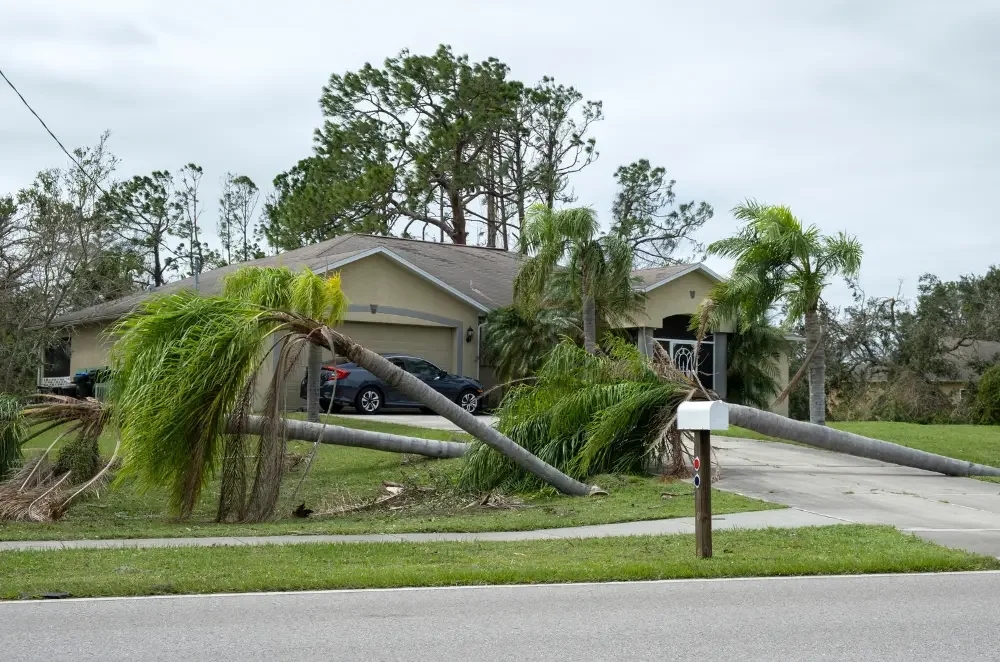
Louisiana faces some of the highest hurricane and severe weather risks in the U.S., from hurricane wind damage to hail and flooding. In recent years, storms like Hurricane Ida and Francine have caused billions of dollars in damage across the state. These catastrophic events don't just destroy property, they create long-term financial strain on homeowners, communities, and the insurance system itself.
The state legislature recognized that strengthening homes before storms hit is far more cost-effective than rebuilding after disaster strikes. By investing in roof fortification now, Louisiana aims to:
· Reduce property damage and insurance claims during hurricanes and windstorms
· Help homeowners stay in their homes longer during and after severe weather
· Lower long-term recovery costs for communities and the state
· Potentially stabilize or reduce insurance premiums over time
What Is the Louisiana Fortify Homes Program?
The Louisiana Fortify Homes Program provides grants to eligible homeowners to retrofit their roofs to meet enhanced wind-resistance standards. Administered by the Louisiana Department of Insurance, the program helps offset the cost of upgrading roofs by up to $10,000 to the FORTIFIED Roof standard developed by the Insurance Institute for Business & Home Safety (IBHS).
Key program details:
Grant amount: Up to $10,000 per eligible home
What it typically covers: Construction costs such as materials and labor to meet the FORTIFIED Roof standard
What it typically doesn't cover: Engineering fees, inspection fees, permit costs, or other non-construction expenses
Who administers it: Louisiana Department of Insurance
Required standard: Work must meet IBHS FORTIFIED Roof designation
FORTIFIED Roof Standard
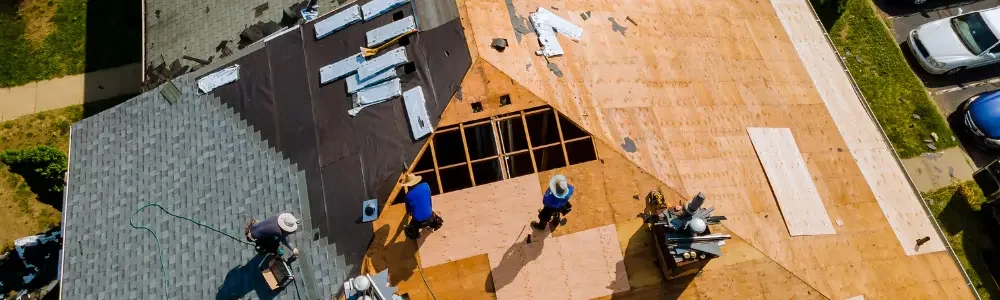
The FORTIFIED Roof standard is more than just a new roof, it's a comprehensive approach to making your home more resilient against high winds and severe weather. Developed by the Insurance Institute for Business & Home Safety through rigorous testing and research, FORTIFIED focuses on strengthening the roof system from the inside out.
Key elements of a FORTIFIED Roof include:
● Sealed roof deck: A water-resistant barrier is applied to the entire roof deck to prevent water intrusion if shingles are torn off during a storm.
● Stronger attachment: Enhanced fastening methods secure the roof covering to resist high winds, including ring-shank nails and proper spacing.
● Reinforced roof-to-wall connections: Special attention to the critical areas where the roof meets the walls, preventing the roof from lifting off entirely.
● Protected openings: Proper installation methods for roof penetrations like vents, chimneys, and skylights to prevent wind-driven rain.
In a FORTIFIED roof, multiple layers of protection work together. Even if the outer layer is damaged, the sealed deck prevents water from entering your home. If wind gets under the shingles, stronger attachments keep them in place.
Homes built to the FORTIFIED Roof standard can lead to less damage and lower repair costs after storms compared to conventionally built roofs.
How to Apply for a Roof Fortification Grant in Louisiana
The application process for Louisiana's Fortify Homes Program involves several steps. Because the program uses a lottery system due to high demand, understanding the process and requirements in advance increases your chances of success if selected.
Step 1: Create a Profile and Watch for Lottery Windows
Visit the Louisiana Department of Insurance Fortify Homes website and create a profile in the program system when registration opens. Have your basic information ready and don’t forget to sign up for email updates to be notified when new lottery windows are announced.
Because lottery windows are time-limited, staying informed about when registration opens is critical. Missing the window means waiting for the next opportunity.
Step 2: Submit the Application and Required Documentation
If you're selected in the lottery or when you're able to submit a full application, you'll need to provide comprehensive documentation. Typical requirements include:
● Proof of homeownership (deed or title)
● Current homeowner's insurance policy declarations page
● Claims history documentation covering the past five years
● Proof of property tax payment
● Completed application forms as specified by the program
● Any additional documentation requested during the process
The five-year claims documentation requirement is particularly important. Gather this information early, as obtaining complete claims records from insurers can take time.
If you've had disputes with your insurance company over past claims, having legal representation from attorneys experienced in property insurance, like the team at Binegar Christian Law, can help ensure your documentation is complete and accurate.
Step 3: If Selected, Follow Required Timelines
According to program rules, selected applicants typically have 90 days from receiving their eligibility notice to complete the fortification work. This timeline is strict, so planning ahead is essential:
● Identify and vet FORTIFIED-qualified contractors before you're selected
● Get preliminary quotes and scheduling estimates so you can move quickly if selected
● Understand that weather, material availability, and contractor schedules can affect timelines
● Keep detailed records of all work performed, including photos, invoices, and contractor certifications
The 90-day window goes by quickly, especially during busy construction seasons or after major storms when contractors are in high demand. Being prepared with a contractor lined up can make the difference between successfully completing the work and losing your grant opportunity.
Step 4: Verification
After work is completed, you must provide verification that it meets the FORTIFIED Roof standard:
Your contractor will submit documentation to IBHS for FORTIFIED certification.
An independent evaluation confirms the work meets all standards.
You provide final invoices and proof of payment to the Louisiana Department of Insurance.
The program reviews your submission for compliance.
Upon approval, the grant funds are disbursed.
Delays in verification or documentation can postpone grant payment. Maintain organized records throughout the process and respond promptly to any requests for additional information.
What to Know for Future Claims
One of the anticipated benefits of FORTIFIED Roof certification is potential insurance premium discounts. However, the reality is more nuanced than simply expecting automatic savings.
Insurance companies in Louisiana file their rates and any applicable discounts with the state Department of Insurance. Some insurers offer discounts for FORTIFIED-certified homes, but the availability and amount vary by company and by specific policy filings. Not all insurers participate, and those that do may have different discount structures.
To understand your potential savings, contact your insurance agent or company directly and ask about FORTIFIED Roof discounts. Request details on what documentation they require to apply the discount. Get the discount commitment in writing before committing to fortification work if the premium reduction is a key factor in your decision. Don’t be afraid to shop around if your current carrier doesn't offer meaningful FORTIFIED discounts, others might.
Even if premium discounts are modest or unavailable, a FORTIFIED Roof provides tangible value: less damage during storms means fewer out-of-pocket costs, lower deductibles paid, less disruption to your life, and potentially fewer disputes with insurers over coverage.
Fortify Grant vs. Other Incentives
Louisiana has implemented multiple incentives to encourage home fortification:
Louisiana Fortify Homes Grant: Up to $10,000 for construction costs, administered by the Department of Insurance, subject to lottery selection
Income tax exemption: For grants received on or after January 1, 2025, the grant amount is exempt from Louisiana state income tax, meaning you don't pay state taxes on the $10,000 grant
Tax credits: Louisiana has also promoted fortification-related tax credits in certain circumstances
For the most current and accurate information about tax benefits and how they interact with grant programs, consult the Louisiana Department of Revenue and the Louisiana Department of Insurance. Tax laws and program rules can change, and individual circumstances vary.
When to Talk to a Lawyer
While the Fortify Homes Program offers valuable assistance for strengthening your roof, many homeowners face insurance challenges either before, during, or after fortification work.
If you're dealing with roof damage, storm damage, or any property damage insurance claim dispute, schedule a consultation with Binegar Christian Law. We work on a contingency basis for many property insurance claims, meaning you don't pay attorney fees unless we recover money for you.
Who Qualifies for Fortify Roof Grants in Louisiana?
The Louisiana Fortify Homes Program has specific eligibility requirements to ensure grants reach homeowners who can benefit most. Always check the Louisiana Department of Insurance which maintains the official and most current criteria. We’ve shared some high-level information below, but that may be subject to change.
However, if you're navigating insurance claims alongside considering fortification work, the team at Binegar Christian Law can help you understand how your coverage, claim history, and fortification plans interact, particularly if you're dealing with disputes over past storm damage.
Fortify Grants Eligibility Checklist
Based on official program guidance, here are key eligibility factors typically required:
● Primary residence requirement: The home must be your primary residence, not a second home, rental property, vacation home, or investment property
● Homeowner's insurance: You must carry a current homeowner's insurance policy on the property
● Claims history documentation: You'll need to provide documentation of any property insurance claims filed in the past five years
● Proof of ownership: Documentation proving you own the home
● Property tax compliance: Current on property taxes
● Location: Property must be located in Louisiana
● Structure type: Single-family homes and certain multi-family structures may qualify
This checklist is not exhaustive. Program requirements can change, and additional criteria may apply. Always verify current eligibility requirements on the Louisiana Department of Insurance website.
Not sure if your claims history will hurt your application? The five-year claims documentation requirement trips up many applicants, especially anyone who's had a disputed or underpaid storm claim. Binegar Christian can help you pull together clean documentation and sort out past claim disputes before you apply.
Common Disqualifiers
Even if you meet the basic eligibility requirements, there are several common issues that can disqualify an application or prevent a homeowner from receiving grant funds. These include:
● Limited funding: The program operates through a lottery system because demand exceeds available grant funds. Being eligible doesn't guarantee selection.
● Documentation gaps: Incomplete applications or missing required documents will result in disqualification. Pay careful attention to what's required.
● Not meeting the FORTIFIED standard: The work must be performed by qualified contractors and meet IBHS FORTIFIED Roof specifications. Partial upgrades or non-compliant work won't qualify.
● Timing constraints: Missing application deadlines or failing to complete work within required timeframes will disqualify you.
● Property type restrictions: Rental properties, vacation homes, and certain commercial or mixed-use buildings typically don't qualify.
Get Help with Fortify Grants and Roof Insurance Claims
If you have questions about Louisiana roof fortification grants or challenges with a roof damage claim, contact Binegar Christian, LLC for a free consultation.
Frequently Asked Questions
-
Homeowners whose primary residence is in Louisiana and who carry homeowner's insurance typically qualify, subject to documentation requirements including claims history from the past five years. The program uses a lottery system for selection due to limited funding.
-
The grant provides up to $10,000 per eligible home, covering construction costs only. This does not include engineering fees, inspection costs, permits, or other non-construction expenses. The actual amount you receive depends on your project costs, with the grant reimbursing qualifying construction expenses up to the $10,000 maximum.
-
FORTIFIED Roof is a standard developed by the Insurance Institute for Business & Home Safety that strengthens roofs against high winds and severe weather. Key elements include a sealed roof deck to prevent water intrusion, enhanced fastening methods for better wind resistance, reinforced roof-to-wall connections, and proper installation of all penetrations and openings. It's designed to protect your home even if the outer roof covering is damaged.
-
Typical documentation includes proof of homeownership, current homeowner's insurance policy declarations, claims history for the past five years, proof of property tax payment, and completed application forms. Requirements can change, so verify current documentation needs with the Louisiana Department of Insurance when applying.
-
Program rules typically require completion within 90 days from receiving your eligibility notice. This is a firm deadline, so having a qualified contractor lined up and ready to work is essential. Weather delays, material shortages, and contractor availability can all affect your ability to meet this timeline.
-
Yes. Having prior claims does not automatically disqualify you. However, you must provide documentation of all claims filed in the past five years as part of your application. If you've had disputes with insurance companies over previous claims or are concerned about how your claims history might affect your application, consulting with experienced property insurance attorneys can help you understand your situation and present your application effectively.
-
Potentially, but not automatically. Some insurance companies offer premium discounts for FORTIFIED-certified homes, but the availability and amount vary by insurer and by their specific rate filings with the Louisiana Department of Insurance. Contact your insurance company directly to ask about FORTIFIED discounts, what documentation they require, and the specific discount amount. If your current carrier doesn't offer a meaningful discount, consider shopping around.
-
If you're dealing with a denied, delayed, or underpaid claim for roof or storm damage, you have legal rights. Insurance companies must handle claims in good faith, conduct proper investigations, and pay valid claims promptly. The attorneys at Binegar Christian Law have extensive experience handling property insurance disputes, helping homeowners understand their coverage, document losses properly, and challenge unfair claim denials or lowball settlements.
Get a Free Consultation with Binegar Christian, LLC
Knowing the most valuable and precious asset you own is your home, we fight for each claim as if it were our own. We understand the challenges that come with property damage, insurance claims, and mortgage disputes, and we are here to help you every step of the way. Contact us today to schedule a consultation.